Rosé: A State of Mind (And the Wine That Goes With It)
Rosé is having a moment. Again.
It’s pink, yes — but it's not soft. It’s fresh. It’s dry. It’s made with care, often by families who believe in making wine slowly, honestly, and without fuss.
At Wines Direct, rosé is more than a colour. It’s a signpost. A glass of something chilled at the start of summer. A clink between friends around a kitchen island in winter. A reason to pause.
So, let’s explore what makes it so loved — and what makes it worth drinking well.
Where Rosé Began
You might think rosé is trendy — but it’s actually one of the world’s oldest wine styles.
Back in ancient Greece, wine was pale and light-coloured. Grape skins weren’t left in contact with juice for long, so most wines were closer to what we now call rosé. The Romans carried that style across Europe, favouring lighter reds and pinks over the heavier wines we associate with Bordeaux or Burgundy.
The modern home of rosé is undoubtedly Provence, where crisp, dry pink wines have been perfected over generations. But rosé isn’t limited to France. Spain, Romania, Austria, and even Ireland’s favourite independent importers (that’s us) are getting behind small producers making exceptional pink wines in their own style.
How Rosé Is Made?
There are three main methods:
- Direct Pressing: Grapes are pressed gently, and juice is drained off quickly to avoid colour extraction. This gives the palest rosés.
- Short Maceration: Grapes are crushed and left with the skins for a few hours before fermentation. More time = more colour.
- Saignée: A by-product of red wine production, where some juice is "bled off" to concentrate the red. That juice becomes rosé.
Good rosé is almost always made dry, with crisp acidity and minimal winemaking trickery. And the best part? It doesn’t need to age. It’s made to be drunk now. Chilled. Shared. Enjoyed.
Changing Styles, Changing Perceptions
For years, rosé had a bit of a reputation problem. Thanks to overly sweet bottles from California or cheap pink blends that filled supermarket shelves, many assumed all rosé was sugary and simple.
But small producers across Europe kept doing things differently. They:
- Harvest grapes by hand
- Avoid additives
- Use native yeasts
- Keep alcohol levels moderate
- Let the wine express itself
Now, that honesty is in fashion. People want wines made with care, not chemicals. They want freshness. Texture. A story behind the bottle.
Three Rosés That Tell a Story
At Wines Direct, we work only with small, family-run estates who live on their land and make wine their way. These rosés are worth a spot in your fridge:

Rosé Frizzante – Wellanschitz
Made in Burgenland, Austria by the Wellanschitz family — this lightly sparkling rosé is pure refreshment. Crafted with minimal intervention, it’s dry, clean, and fizzing with red berry brightness. Perfect for those spontaneous moments that turn into something more.
Perfect with:
- Flatbreads with whipped feta and roasted peppers
- Cheese and charcuterie boards
- Sunny day drinks on the balcony

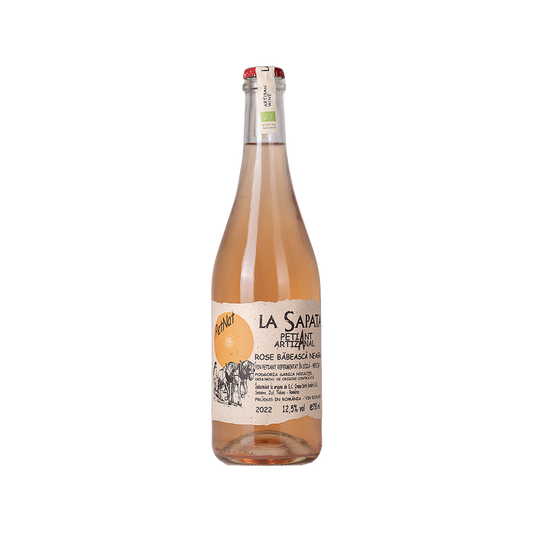
La Sapata Petiant Artizanal Rosé
Di Filippo Wines began in Italy and brought their passion for organic farming across to Romania. At La Sapata, they work by hand, with horses instead of tractors, and make joyful, zero-additive wines like this sparkling rosé. It’s unfiltered, unfined, and completely alive.
Perfect with:
- Crispy tempura
- Sushi
- That friend who says, “surprise me!”
Put simply: wine lovers want transparency. They want to know what's in the bottle and how it got there.
And that demand is only growing.

Le Loup Dans La Bergerie Rosé – 3L Bag-in-Box
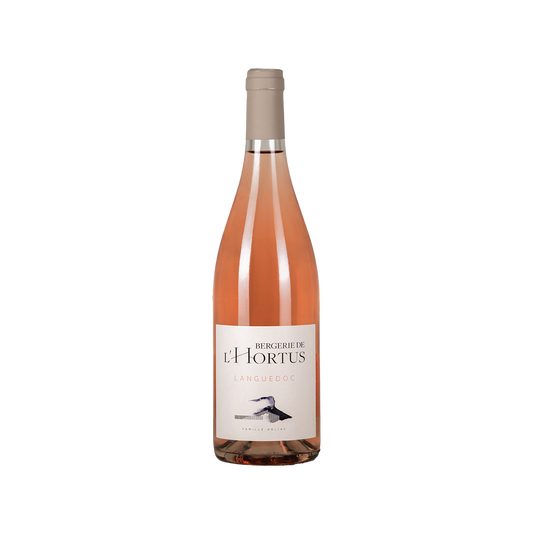
From the team behind Domaine Bergerie de l’Hortus, this is everything we love about Languedoc rosé — dry, fresh, and full of red berry brightness. But here's the best part: it comes in a 3-litre box (that’s 4 bottles) and stays fresh in your fridge for weeks after opening. Perfect for impromptu summer drinks, lazy weekend lunches, or just knowing you’re always stocked.
- Made with the same care as their bottle-aged wines
- Certified organic
- Excellent value without compromising on quality
Perfect with:
- Grilled veggies
- Chickpea salads
- A full table and no rush
Discover Rosé Wines
Food and Rosé: What Works
Rosé’s biggest strength is versatility.
It can go where red or white would clash.
Try these pairings:
| Rosé Style | Food Pairings |
|---|---|
| Dry & Pale | Grilled prawns, roast chicken, fresh salads |
| Fruity & Bold | BBQ, burgers, spicy noodles |
| Sparkling Rosé | Soft cheese, charcuterie, oysters |
| Natural/Unfiltered | Asian fusion, sourdough pizza, mezze platters |
One of our favourite pairings? La Sapata Petiant Artizanal Rosé with grilled halloumi, watermelon and mint. Simple. Juicy. Perfect.
Rosé in Fashion and Pop Culture
Rosé went from medieval monasteries to music videos. In the last decade, it’s become the wine of choice for:
- Poolside posing
- Rooftop bars
- Lazy Sunday brunch
Celebrities like Brad Pitt and Kylie Minogue have their own rosé labels. Instagram helped too — because let’s face it, rosé photographs beautifully.
But behind the glamour is a return to craft. The best bottles aren’t made in labs or for likes — they’re made by people like La Sapata, where every bottle is touched by hand and guided by nature.

Slow Drinks: A Rosé Cocktail to Try
Rosé doesn’t need anything extra. But sometimes, it’s fun to play. Here’s a simple Rosé & Raspberry Spritz to enjoy when the sun shows up:
Rosé & Raspberry Spritz
🕒 Prep Time: 2 mins
🥂 Serves: 1
Ingredients:
- 100ml dry rosé (try Domaine Bergerie de l’Hortus)
- 50ml sparkling water
- A few fresh raspberries
- Ice
- A sprig of mint
- Optional: 15ml elderflower cordial
Method:
- Fill a large glass with ice.
- Add raspberries and muddle slightly.
- Pour in the rosé and cordial (if using).
- Top with sparkling water.
- Stir gently and garnish with mint.
- Serve it with a cheese board, a big bowl of olives, or just a book you’ve been meaning to read.
Why We Only Work with Small Winemakers
Every bottle at Wines Direct is hand-picked from a small, independent producer. We don’t stock big-name brands or wines you’ll find everywhere. Here’s why:
- Better farming. Lower chemical use, often organic or biodynamic.
- Lower intervention. Fewer additives. More real flavour.
- Family values. You’re supporting people, not corporations.
- More care. Small producers can afford to make thoughtful, handcrafted wines.
When you buy rosé wine online from us, you’re helping keep that world alive.
Rosé Wine in Ireland: What We’ve Noticed
Over the last five years, we’ve seen a big shift:
- More people are asking for dry rosé
- Natural wine lovers are embracing Romanian wine and sparkling styles
- Customers are more curious — not just drinking pink wine because it’s hot out, but because they want something vibrant, food-friendly, and honest
Rosé has found a permanent place in Irish fridges — and rightly so.
A Final Pour
If wine is about slowing down and being present, then rosé is the poster child. It’s not for hoarding. It’s for now.
Whether you're:
- Laughing in the kitchen
- Serving small plates at the table
- Sitting on a balcony watching the sky change colour
Rosé fits the moment. Especially when it comes from a vineyard that still believes in working with nature, not against it.